Search



What does it take for a company to stay relevant for 175 years and beyond?

In this anniversary article marking 175 years of Ahlström, our Chair of the Board Peter Seligson reflects on history, entrepreneurship, and family ownership – and on the choices that continue to shape the company’s future.
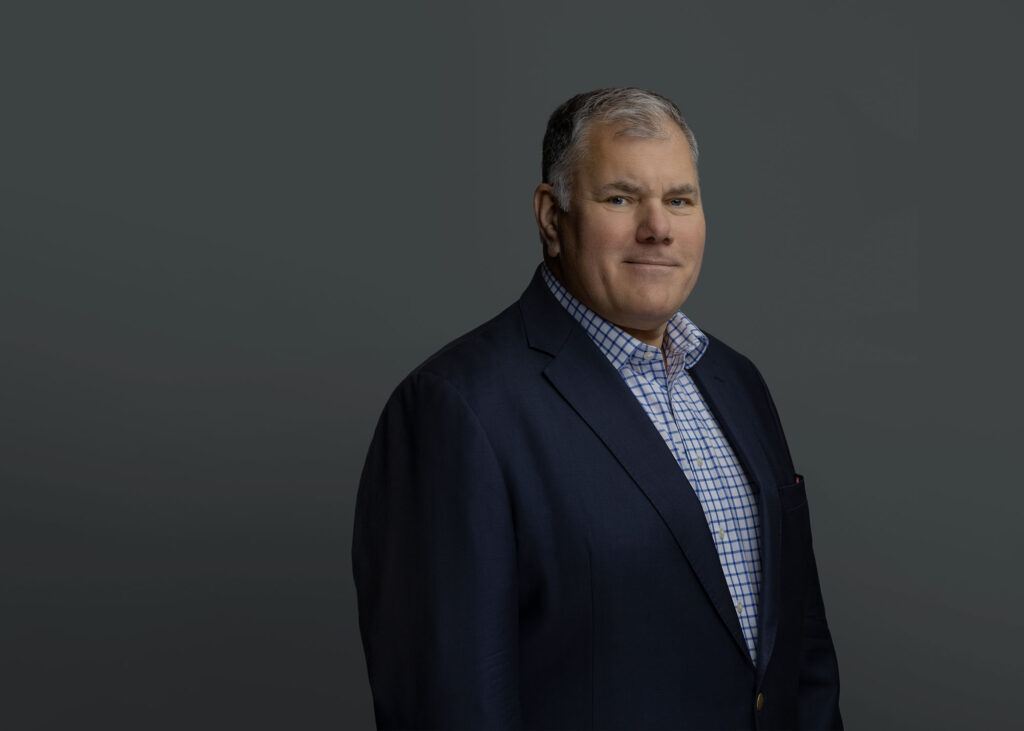
175 years is a long time—for a person, and certainly for a company. Only a few enterprises survive that long. Times change, and so do the needs of customers and other stakeholders. Yet when you reflect on it, much also remains the same. In many ways, today’s world resembles the era in which our company was founded in 1851.
The world was restless; news of wars and geopolitical shifts filled the air. Humanity stood on the brink of remarkable technological advances. The Industrial Revolution was accelerating, steam engines were powering new applications, shipping routes were becoming more efficient, and railway lines were spreading across continents. Optimism was palpable, and entrepreneurship flourished as old regulations were dismantled.
Much parallels today’s world—yet there are notable differences. Finland, like Sweden, was then a poor country just beginning its journey of growth. Contrary to today’s mood, Finland attracted particular attention because it was part of a much larger market—the Russian Empire.
Entrepreneurs from across Europe arrived, many from German‑speaking regions—ancestors of the Paulig, Fazer, Berner, and Hackman families—as well as from Sweden, such as the Nobel, Rettig, and Svensson families. Alongside them, local pioneers like Gustaf Serlachius, Victor Hartwall, and Antti Ahlström founded businesses that still exist today.
Enormous wealth was created—and, crucially, allowed to be created. This benefitted the entire country. These companies offered better‑paying jobs than agriculture and provided employees with essential services such as housing, schools, and hospitals. When Antti Ahlström died in 1896, his estate was taxed at 12 million gold marks—at a time when Finland’s estimated GDP was only 5.7 million. Times were far from perfect; there was hardship, even famine. But entrepreneurship abounded, driven by a determination to build something better.
Today, a key difference is mood. It is a global issue, but Finland has been hit particularly hard: a sense of gloom. Despite remarkable innovative capacity—much like 175 years ago—many people have lost confidence in a better future. We focus on risks rather than possibilities. Households hoard cash, economies stagnate, and governments tighten their budgets.
The result is a spiral of populism. “Animal spirits” re-emerge, and mercantilist policies suddenly pass as sensible solutions. These approaches have been tried before—with disastrous consequences. There is no reason to believe this time will be different.
What, then, is the remedy? How do we reignite growth? The absence of growth—and its underlying causes—has been widely discussed. Some countries have fared better than others. Is there something we can learn from them, or from our own history?
One major reason for Finland’s weak growth, especially compared with Sweden or the United States, is the lack of substantial private capital. Over time, collectively owned capital has become dominant—a stark contrast to the entrepreneurial era of Antti Ahlström. Collective ownership carries a different risk profile: it seeks secure and high direct yields. This pushes collectively owned companies toward dividends and cost‑cutting rather than growth. Unlike Sweden and the U.S., the accumulation of private capital in Finland has been hindered by taxation at every level.
The odds of a company surviving 100 years are less than one in a hundred—let alone 175. So what is Ahlström’s secret? How has it continued to grow and thrive? Antti’s stable capital base helped, but it was not enough on its own. From Antti and his son Walter, you see the same defining trait: an openness to innovation and a relentless drive to create higher added value. That spirit has kept this company alive.
Antti began in shipping, but soon realized that sawn timber held more value than transporting it. He became Finland’s largest sawmill operator. Walter saw even greater potential in turning wood into paper. In my own part of this long journey, I’ve witnessed the same spirit: the courage, forty years ago, to leave bulk paper behind and focus on higher‑value products. We keep asking ourselves: Is there a better way? And when there is, we take it—preferably before our competitors do. We are immensely proud of our companies—and rightly so, for we have unique opportunities to change the world for the better by introducing sustainable materials into everyday life.
Family ownership brings something rare to a company: stability, long‑term thinking, and a genuine sense of responsibility for future generations—not only our own, but for every family touched by our work. The Ahlström family motto, “A better world for future generations,” captures this beautifully.
A company—like a family or a society—is ultimately made of people. Without people, there is no business and no community. Caring for the company means caring for its people. I am confident in the strengths Ahlström carries forward: an exceptional product portfolio, world‑class technological capabilities, operational excellence, and—above all—our people. These foundations will guide Ahlström to even greater success. We have always stood for acting responsibly today, in line with our heritage and values, to build a better tomorrow—a sustainable, innovative, thriving planet and society for generations to come.
There is a lesson from Ahlström’s history worth reflecting upon as we search for new beginnings: when capitalism is allowed to create wealth, the whole society benefits. To continue delivering value to customers, employees, shareholders, and society at large, a company must keep striving for higher value‑add. These lessons would also help Finland—the country that has supported our growth—find its way back to confidence and renewal. A
Peter represents the fifth generation of the Ahlström family, and this article is part of our Ahlström 175th Anniversary Article Series.