Search



Ahlström Story – A legacy of industrial foresight, family entrepreneurship, and sustainable ownership

In 2026, Ahlström celebrates 175 years of industrial development, innovation, and long term ownership. What began in the mid-19th century as a small entrepreneurial venture has grown into a globally connected industrial owner.
Laying the foundations for business growth
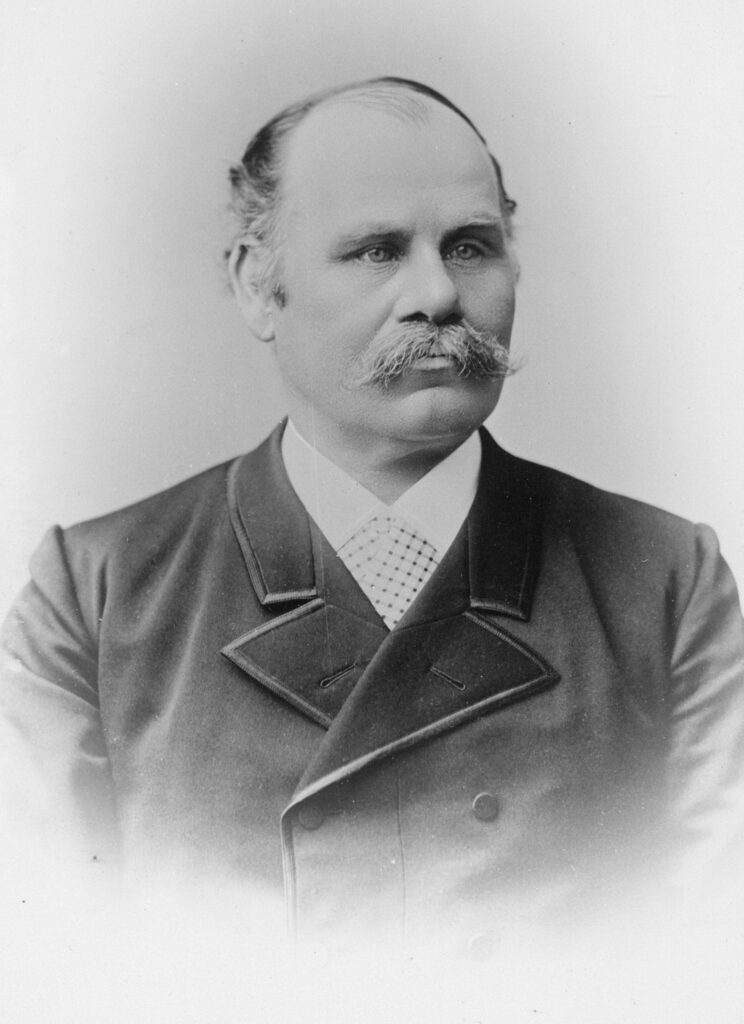
The Ahlström story began in 1851, when a young and ambitious Antti Ahlström took ownership of the Isotalo estate in Lankoski through marriage. The estate included a mill, a rag paper workshop, ceramics production, and part of a sawmill—the early assets that shaped what would become a large-scale industrial enterprise.
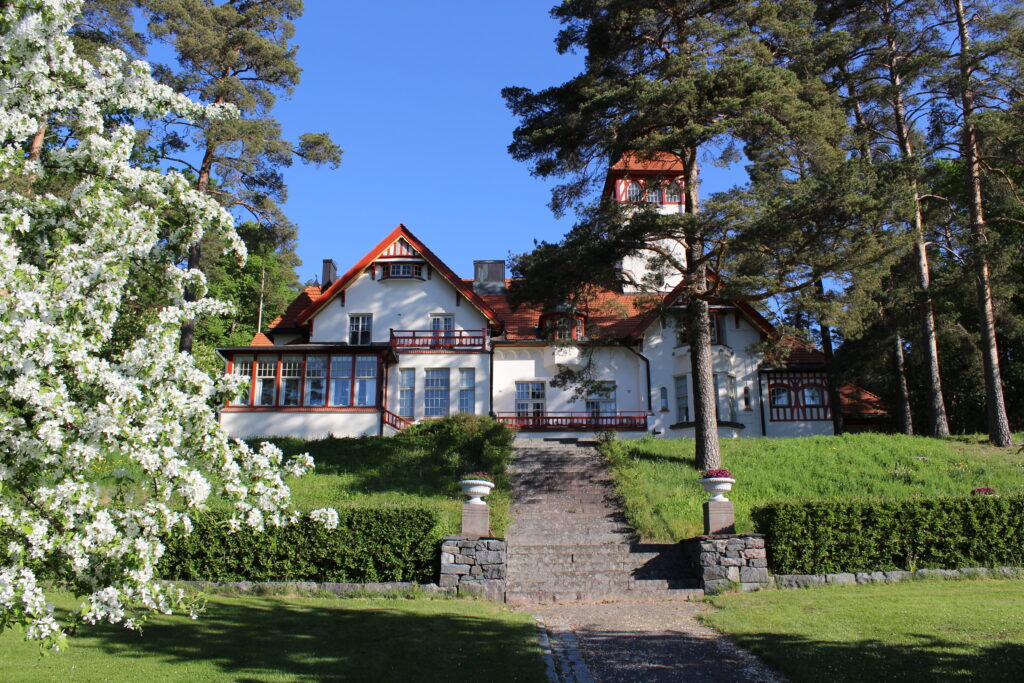
Driven by foresight and an entrepreneurial spirit, Antti expanded the business rapidly. He established shipping operations and sawmills, and by 1870 he had acquired the Noormarkku Works. This became the family home and the heart of business operations. Today, the former ironworks area is also a tourist destination known as the Ahlström Estate. In the following years, Antti added the Kauttua (1873), Leineperi (1877), and Strömfors (1886) ironworks, numerous sawmills, and vast forest holdings that still form the core of Ahlström’s forest assets today.
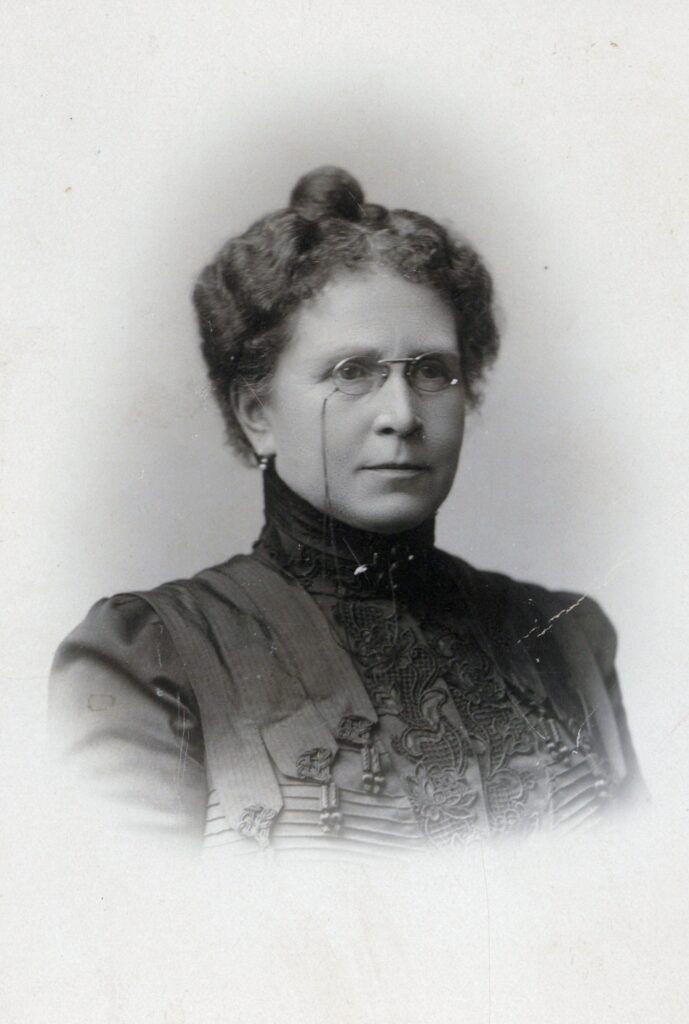
After Antti’s passing in 1896, his second wife, Eva Ahlström, emerged as a pioneering figure in Finnish industry, becoming one of Finland’s earliest female industrial leaders. Antti and Eva were also committed to contributing to society, supporting education, healthcare, gender equality, and culture. Their legacy lives on through the various Ahlström foundations and the Ahlström Collective Impact collaboration with UNICEF Finland.
Building Finnish industry & expanding internationally
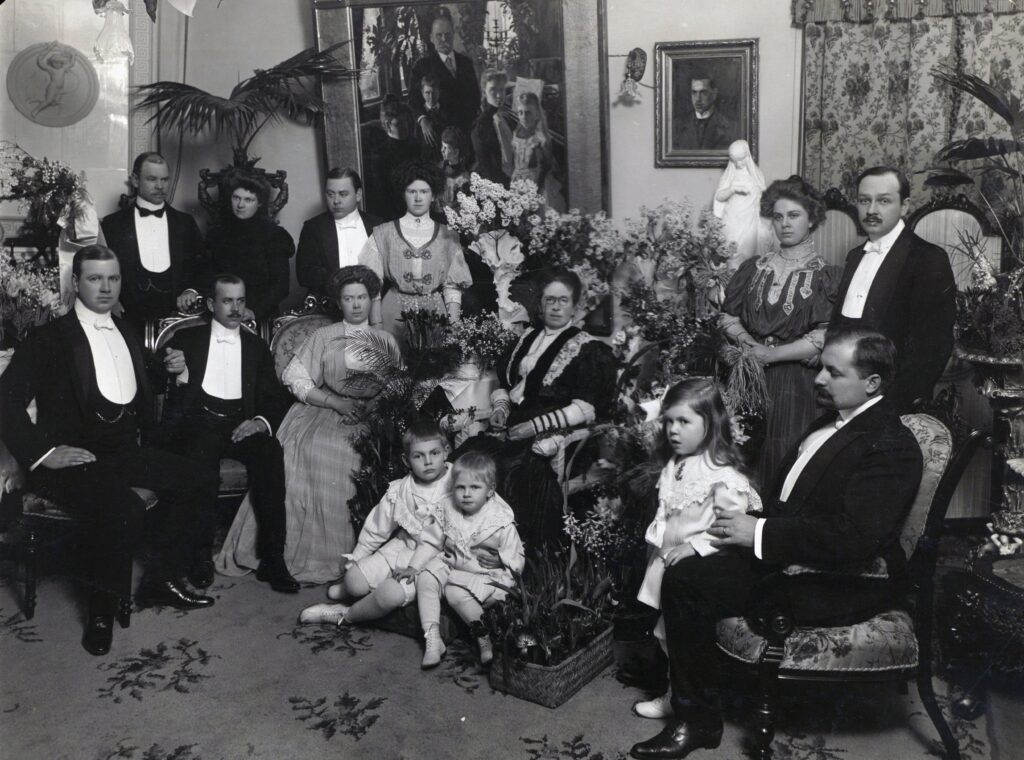
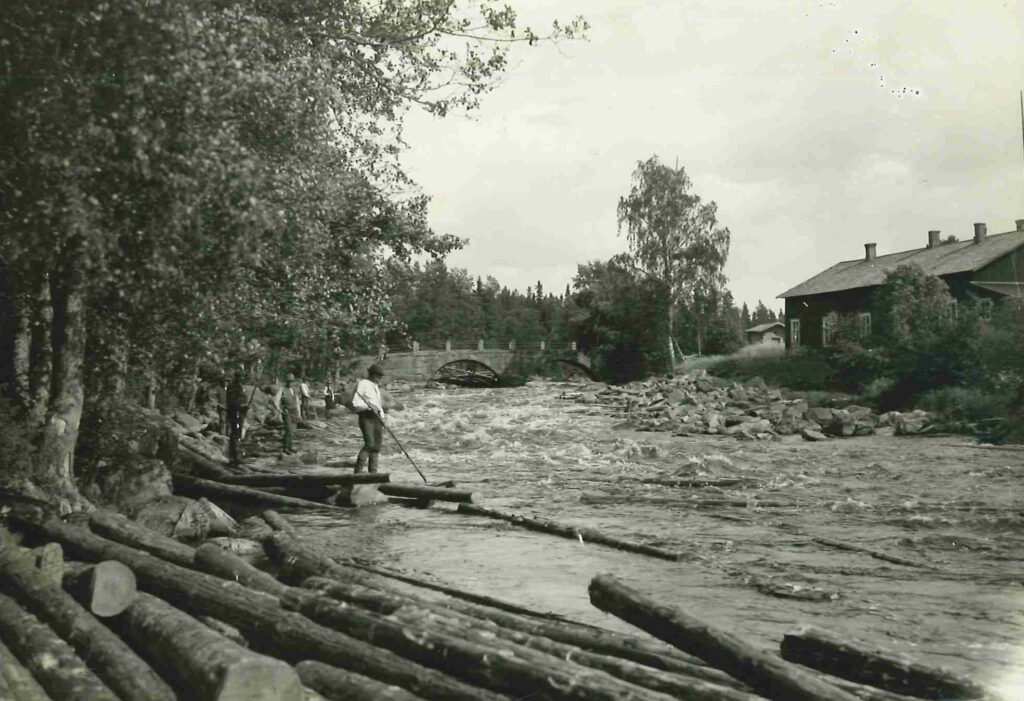
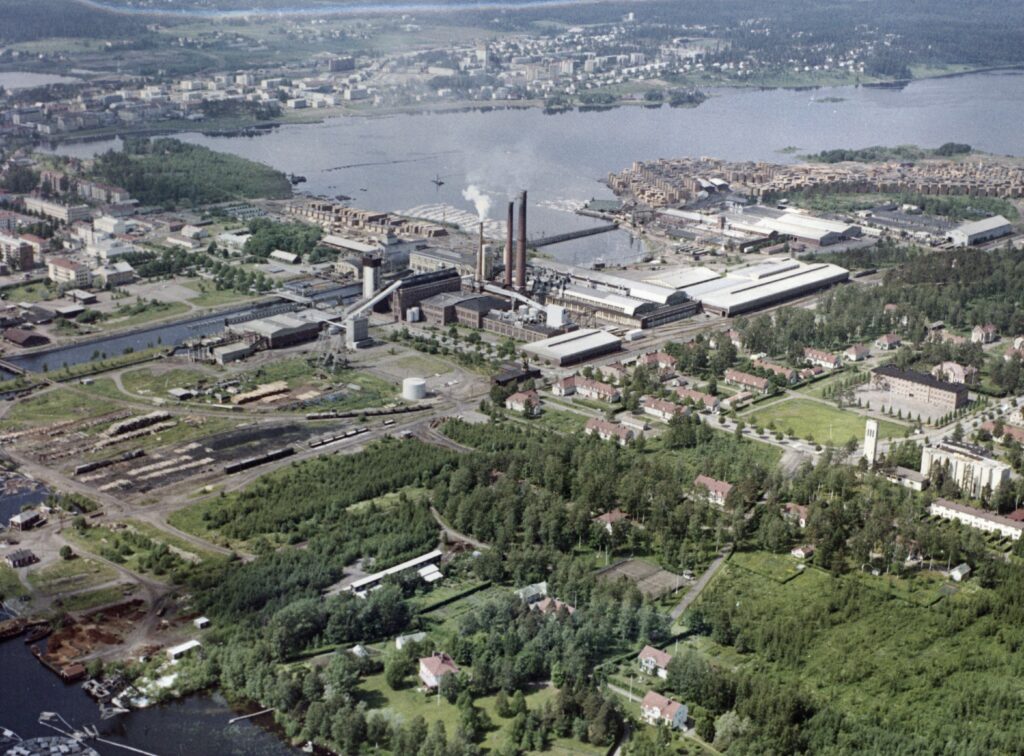
Under the leadership of Antti and Eva’s son, Walter Ahlström, the company entered a new era of accelerated growth in the early 20th century. Ahlström became Finland’s largest industrial enterprise, expanding from sawmills into the pulp & paper, glass, and engineering industries. The company played a formative role in developing Finnish industrial towns, including Varkaus, Karhula, and Kauttua. Ahlström also became a pioneer in internationalisation. In 1963, it completed its first major foreign acquisition in Italy, an important milestone that signaled the company’s growing global ambitions.
Patron of design, architecture, and Finnish cultural heritage
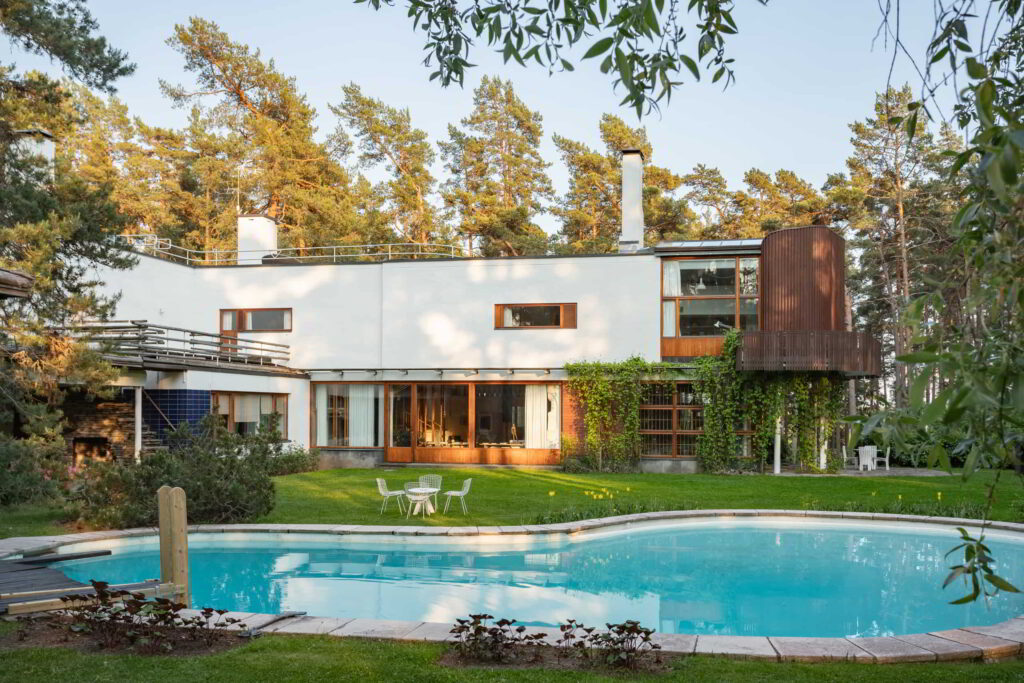
Throughout the 20th century, Ahlström played a key role in shaping the Finnish design and architecture scene. For decades, the company owned the Karhula and Iittala glassworks, where timeless icons of Finnish design were created, such as Alvar Aalto’s Savoy Vase, Timo Sarpaneva’s i-glass series, and Tapio Wirkkala’s Ultima Thule. At the Ahlström Estate in Noormarkku, Villa Mairea, designed by Alvar and Aino Aalto, stands as an internationally acclaimed masterpiece of modern architecture. Villa Mairea was built as a home for Walter Ahlström’s daughter, Maire Gullichsen and her husband Harry Gullichsen. Maire was a pioneering art collector and patron of the arts. Even today, the Ahlström Estate showcases architectural and landscape heritage from multiple eras, and hosts the Ahlström Voyage exhibition, offering visitors a deep look into the company’s history.

An active, long-term industrial owner
Today, A. Ahlström Oy is an active industrial owner with a Strategic Core built around industrial companies in the Forest & Fiber and the Environmental Technology sectors. In addition, the company maintains an extensive portfolio of real estate, forest, and financial assets. Now in its seventh generation, Ahlström remains a strong Finnish family company guided by the founding values of Ambition and Responsibility. The company’s 175-year journey reflects bold entrepreneurship, long-term ownership, and the continuous ability to evolve, creating an industrial legacy that will remain relevant for generations to come.

Read also an article What does it take for a company to stay relevant for 175 years and beyond? by Peter Seligson here.